After the Gales: A Practical Fence MOT for Winter 2026
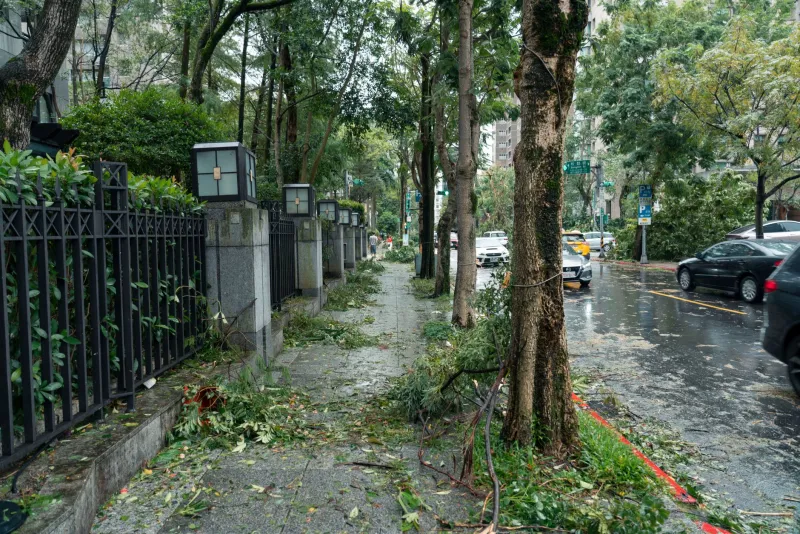
By early November 2026, plenty of British gardens have already taken a proper battering. October blows through, the clocks go back, and suddenly that fence you stopped noticing in July is leaning like it has had a long lunch. A post-storm fence audit is not about panicking or reaching straight for the cheque book. It is about spotting small problems before winter 2026 turns them into expensive ones.
Grab a torch, a pair of gloves and something to make notes on. A slow lap of the boundary now is worth far more than a frantic repair in January.
Start with a slow lap, not a screwdriver
Walk the whole fence line before you touch anything. Look for lean, panels that have lifted out of their grooves, gates that have dropped, and posts that seem to be sitting at a slightly different angle from their neighbours. If you can see the fence from a neighbouring garden or from an upstairs window, take a look from there too. Wind damage is often more obvious from a distance.
Photograph anything that looks off. It gives you a baseline before the next gale and makes it easier to show a installer or insurer what has changed.
The warning signs worth taking seriously
A wobbly post is the big one. Give each post a gentle nudge by hand, not a shoulder barge. If the base moves, the soil has softened, the timber has rotted below ground, or the concrete collar has cracked. Brace it temporarily and plan a proper fix.
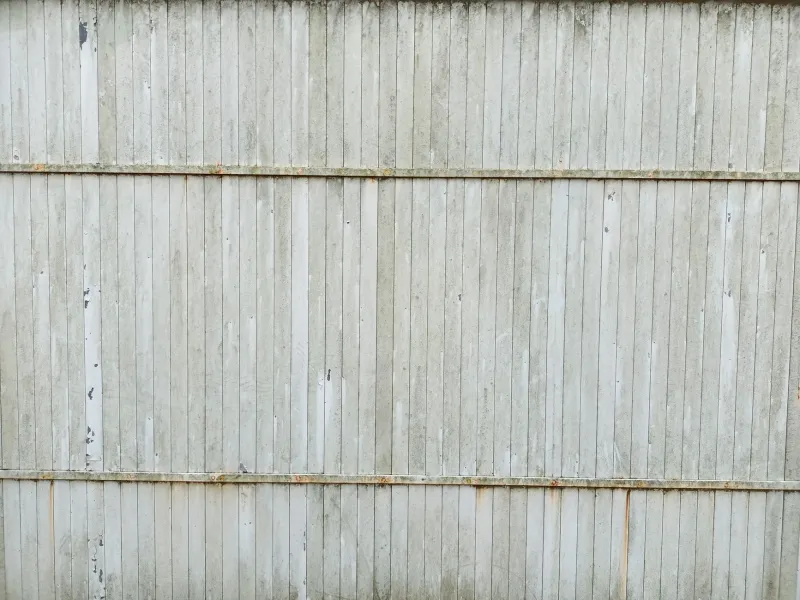
Lifted or rattling panels are another clue. Wind gets behind a solid panel and works the fixings loose. Check for missing nails or screws, split battens and boards that have popped out of their rails. Rust streaks around fixings are a sign that water has been sitting where it should not. On metal fittings, look for white corrosion as well as the orange stuff.
Other things to note: rails pulling away from posts, feather-edge boards curling, cracks in concrete footings, gates that no longer latch, and soil or mulch piled up against the bottom of the fence. That last one is a rot accelerator. Timber wants to dry out, not sit in damp compost.
Repair or replace?
Repair makes sense when the posts are solid and the damage is limited to boards, rails or fixings. Swapping a few split boards and replacing mild-steel screws with stainless ones can buy years. Replace, or at least replace a whole run, when several posts are loose, rot has reached the base of the posts, or the concrete footings have failed. Patching one panel in a run that is already moving is usually false economy.
If the fence is more than fifteen or twenty years old and has had repeated storm damage, be honest about its condition. A new boundary is not cheap, but neither is paying for emergency repairs every few months.
Materials and fittings that cope with UK weather
Timber still has a place, especially pressure-treated timber with a decent guarantee. Look for end grain that has been sealed, boards kept clear of the ground, and gravel boards doing their job. Composite fencing is worth a look if you want low maintenance and no repainting, but check the warranty, the fixing details and how the panels handle movement. Aluminium slatted screens are another strong option: powder-coated metal will not rot, and the slatted format lets some wind through rather than treating every gust like a sail.
Fixings matter as much as the panels. Stainless-steel screws, hot-dip galvanised brackets and proper post bases make a difference. If you are replacing posts, set them in concrete with decent drainage rather than simply ramming them into wet clay. On exposed sites, talk to your installer about deeper footings and wind loading. A solid six-foot panel catches a lot of wind; a slatted design reduces that load while still giving privacy.
Designer looks that do not mind a bit of weather
Weather resilience does not have to mean a plain panel. Horizontal slatted screens in aluminium or composite look sharp against brick, render or timber cladding, and the shadow gaps add depth. Mixed-material runs, such as timber posts with metal infill panels, can break up a long boundary. A robust trellis topper or a decorative top rail adds height without creating a solid wall for the wind to push against.
Colour is worth thinking about too. A dark grey or muted green can make a small garden feel deeper, while pale timber keeps things light. Whatever you choose, make sure the fixings and base details are specified for the same exposure as the panels. A beautiful board is no use if it is held on with screws that will rust by February.
A winter-ready routine
Clear leaves and debris from the base of the fence, check that water is not pooling around posts, and tighten any loose fixings you can reach safely. If you are treating timber, do it in a dry spell and follow the product instructions. Mark any post that needs a proper repair and get it booked in before the worst of winter 2026. Then, after the next named storm, do a quick five-minute walk-around. Small checks now are much cheaper than a collapsed panel later.