A Working Margin: Designing the Fence Base as a Rain Garden
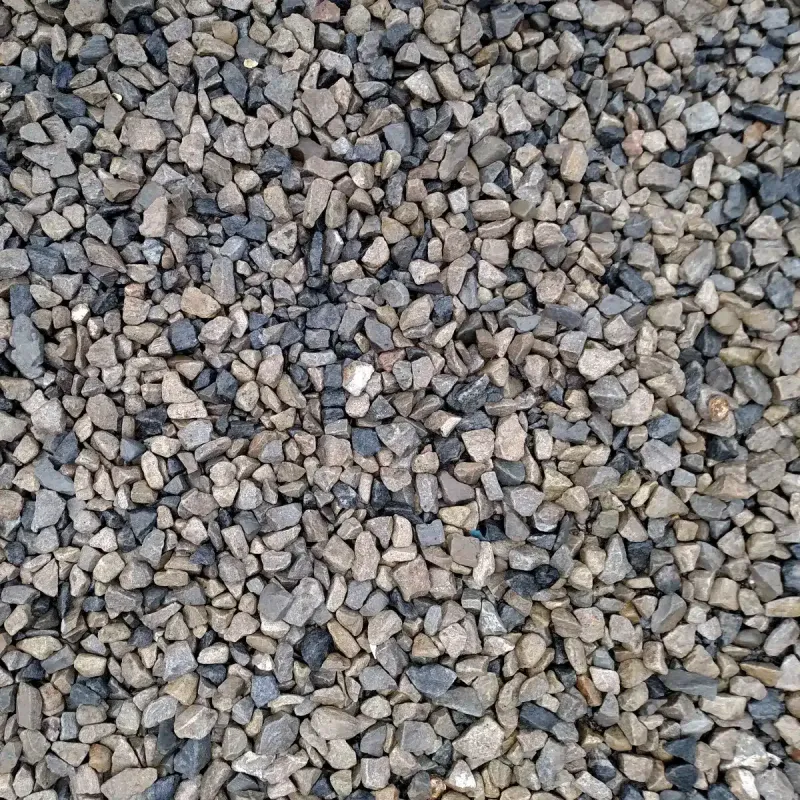
Photo: gravel drainage margin along wooden garden fence with ornamental grasses UK garden, via acornlandscapesupply.ca
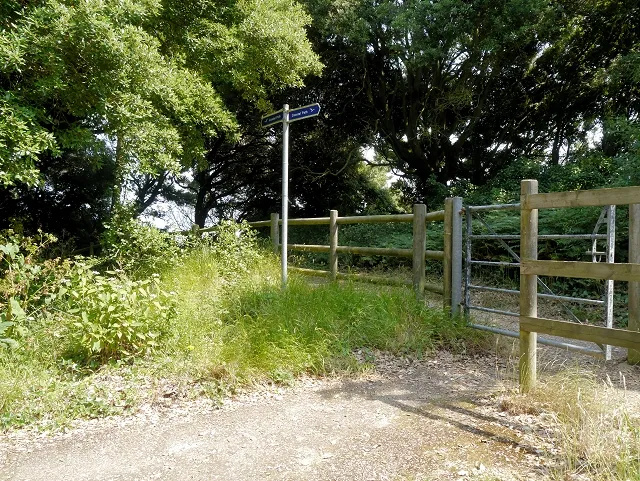
Most fences fail at the bottom. Not because the panels were cheap or the posts were set badly, but because the ground around them was never given a job. Water gathers, soil stays soggy, strimmers clip the gravel, and within a few winters you have a muddy trench with a leaning post at one end. The fix is not complicated. It is a narrow, purposeful band along the fence line that catches rain, moves it where you want it, and looks like part of the design rather than the bit everyone forgot.
Call it a drainage margin, a soakaway strip or a thirsty edge. Whatever the name, the principle is the same: give water somewhere to go, and keep it away from the timber.
Why the base deserves a plan
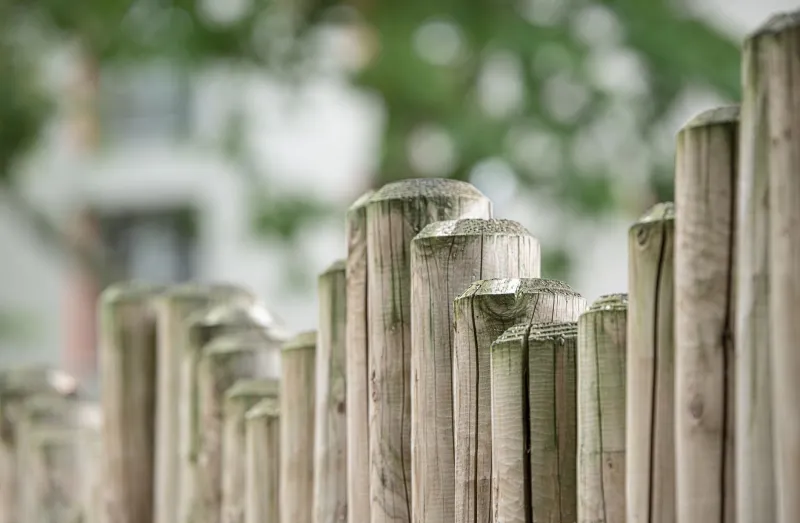
Fence posts rot from the ground up. Water sitting against the post, or trapped in a pocket of heavy soil, speeds that up. Splashback from a patio or a dripping gutter makes it worse. A gravel margin does two useful things: it stops soil and grass sitting directly against the post, and it lets air move around the base so the timber can dry. Add a slight fall away from the fence and you have a detail that buys years.
There is a visual argument too. A crisp gravel edge reads as intentional. It separates the fence from the lawn, hides the scruffy line where strimmers cannot reach, and gives planting a defined home. In a small garden it can be the difference between a boundary that looks finished and one that looks like a building site with shrubs.
Levels first, plants second
Before you choose a single plant, work out where the water is coming from and where it should end up. The margin should fall gently away from the fence — roughly 1:80 is plenty, just enough to move surface water without creating a visible slope. If the ground behind the fence is higher than yours, or your neighbour's garden drains towards you, plan for that. A drainage margin is not a dam, and it is not a place to intercept water you do not want.
Overflow matters. A shallow planted strip can take a lot of rain, but in a February deluge it will fill. Decide now where the excess goes: into a lawn, a border, a gravel-filled pit, or a proper soakaway if the soil allows. On clay, water can sit for days, so a simple French drain running to a lower point may be needed. Keep the overflow route away from the house and away from the neighbour's fence line.
The anatomy of a simple margin
The most reliable version is dug out to about 150–300mm deep and 300–450mm wide, lined with a permeable geotextile, and backfilled with 20–40mm gravel. The membrane keeps soil from silting up the gravel, while still letting water through. A steel or timber EdgeRestraint — or even a neat row of setts — keeps gravel off the lawn and gives the mower something to run along.
Keep the gravel level below the bottom rail of the fence. You want air around the base, not a gravel-filled trough burying it. If you are planting, leave gaps in the gravel for small pockets of soil, or run a narrower gravel strip directly against the fence and a planted channel behind it. That way the post line stays free-draining and the planting gets the water.
If your fence sits on a concrete plinth or a low retaining wall, the margin becomes even more useful: it catches the splash that would otherwise bounce back onto the panels and stain them.
Planting for wet winters and dry summers
The tricky bit is that a drainage margin is not a bog garden and not a dry border. It gets soaked, then it dries out. Choose plants that tolerate both, and avoid anything that sulks in a wet January.
Good reliable choices include sedges such as Carex elata 'Aurea' and Carex oshimensis, tufted hair grass (Deschampsia cespitosa), moor grass (Molinia caerulea), and Iris sibirica for a bit of height. Hardy geraniums, geums and astrantias cope with the shoulder seasons, while ferns such as Dryopteris filix-mas give texture in shade. For a slightly drier, sunnier margin, add lavender, thyme or sedum closer to the front edge where the gravel drains fastest. Avoid large shrubs — they will crowd the fence, block inspection and make future repairs a wrestling match.
In a very wet corner, a small rain-garden pocket with Filipendula ulmaria or Lythrum salicaria can work, but only if you have planned the overflow. These are thirsty plants, not a substitute for drainage.
Keep the maintenance door open
A planted margin is lovely until you need to replace a gravel board. Leave a narrow inspection gap or a removable gravel section every few metres, especially near gates and corners. Keep climbers off the bottom 300mm of the fence so you can see what is happening. And resist the urge to fill every centimetre: a little bare gravel is useful, and it makes the planting look more considered.
Leaf litter is the quiet enemy. In autumn, a gravel strip can collect damp leaves that smother small plants and hold moisture against the fence. A quick clear every few weeks is enough, and it is far easier than digging out a silted-up trench in five years' time.
The long view
A drainage margin will not make a bad fence good, but it will help a good fence last. It handles the splash, keeps the post line ventilated, and turns the scruffiest part of the garden into something that looks designed. In a British climate, that is not a luxury. It is basic boundary maintenance, dressed up as good gardening.