Spray, Gust and Grain: Building a Coastal Fence That Ages Gracefully
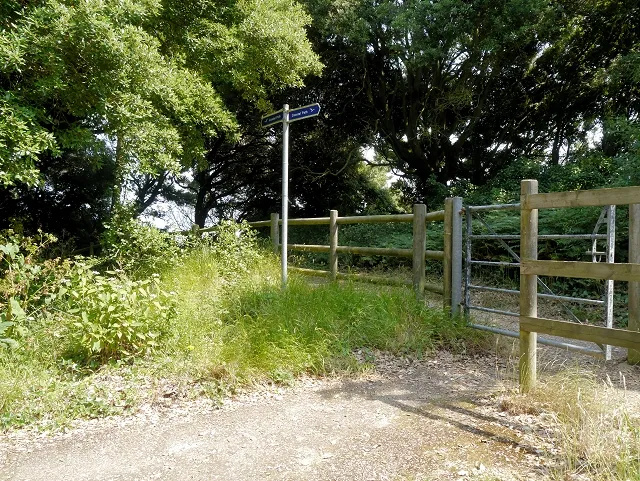
Photo: David Dixon , CC BY-SA 2.0, via Wikimedia Commons
If you can taste salt on the wind, your fence is living in a different climate from the one in the average fencing brochure. Coastal gardens get the obvious battering—gusts, driven rain, UV—but also a less visible grind: salt crystals settling into joints, fixings quietly corroding, timber drying and wetting in quick cycles. A boundary by the sea can still be stylish. It just needs to be detailed for the postcode, not just the photograph.
Read the site before you choose the board
'Coastal' is not one exposure. A garden two streets back from the promenade in Brighton may be sheltered by houses and feel nothing like a bare headland in Cornwall or a north Norfolk village open to the easterlies. Spend a week watching where the wind hits, how far spray seems to travel and which corners stay damp. Check the soil, too: sandy, free-draining ground can make post footings trickier, while heavy clay holds water around timber. Note prevailing winds—many British coastal gardens take the brunt from the south-west—but local topography can bend that completely. The fence that works will be designed around that reading, not a generic specification. If the garden sits in a conservation area or near a listed building, check what permitted development allows before you settle on height and materials.
Materials that can take a salty argument
Western red cedar is a natural starting point. It is stable, naturally durable and ages to a soft silver-grey if you let it; oiled, it keeps a warmer tone. It is not indestructible, so use decent fixings and accept that a coastal cedar fence will want attention. Oak is heavier and very durable, but tannins can bleed onto paving and pale walls, and the weight demands robust posts and rails. Both timbers should be detailed so water runs off rather than sitting in joints.
Composite fencing has obvious appeal where maintenance time is short. The best boards resist moisture and UV, but not all composites are equal in a salt-rich environment. Check the manufacturer's coastal warranty, expansion allowances and fixing guidance. A capped composite can look crisp and contemporary; a cheap one can chalk and fade. Galvanised steel offers slim profiles and strong lines, but 'galvanised' is not a magic word by the sea. Specify a coating system suited to coastal exposure and use marine-grade stainless fixings. Powder-coated aluminium is another option where a clean, low-profile screen is wanted.
Softwood is not automatically off the menu, but it needs pressure treatment, a protective finish and a realistic maintenance schedule. If the fence is in an exposed spot, treat ordinary timber as a commitment rather than a bargain.
The sail problem
A solid panel in a gusty coastal garden is a sail. The wind does not politely stop at the boards; it loads the posts, rails and fixings. That is why inland fence habits—shallow posts, lightweight brackets, tall closeboard panels—can fail quickly near the sea. Go deeper on posts, use concrete footings that shed water, and brace where the design allows. Reduce the solid area if you can. Slatted screens, hit-and-miss boards and open horizontal designs let air through while still giving privacy. A gap strategy is not just aesthetic; it changes how the fence behaves in a storm. Small, consistent gaps can look deliberate and take pressure off the structure. Too much gap and you lose the point; too little and you are back to a sail.
Fixings are the quiet heroes
It is easy to spend the budget on boards and forget the screws. Near the sea, use stainless steel fixings rated for coastal use—A4/316 is the usual shorthand—and avoid mixing metals that will set up corrosion. Galvanised nails and cheap screws can look fine on day one and ugly by the second winter. Washers and caps help protect the timber surface. Keep fixings clear of standing water, and check hidden brackets as carefully as the visible face. A coastal fence often fails at the small metal parts first.
Give it a maintenance rhythm
A coastal fence does not need to be fussed over every weekend, but it does benefit from a routine. Once a year, wash timber down with fresh water and a soft brush to remove salt and grit; avoid a fierce pressure washer that raises the grain. Re-oil or re-stain according to the product, and touch up any coating damage on metal. After named storms, walk the line: look for loose fixings, lifted caps, rocking posts and boards that have started to cup. Replace damaged sections early. Clear debris from the base so water can drain away. If you have planted a windbreak hedge or shrubs, keep them clipped back from the fence so air can move and damp does not linger.
The long view
A coastal boundary will weather. The aim is not to stop that happening but to make sure it weathers well. Choose materials that suit the exposure, detail the fixings properly, let the wind through where you can, and accept that a silvered cedar board or a matte-coated steel screen can look better with a few seasons on it than a shiny new panel ever did. With winter 2026 on the doorstep, a little forethought now is worth more than a frantic repair in a January gale.