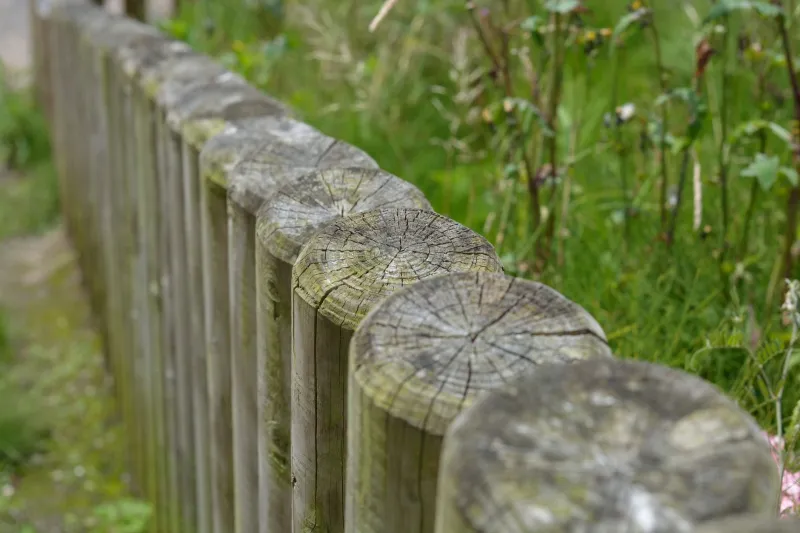
The Evening Boundary: Low-Glare Fence Lighting for Long British Nights
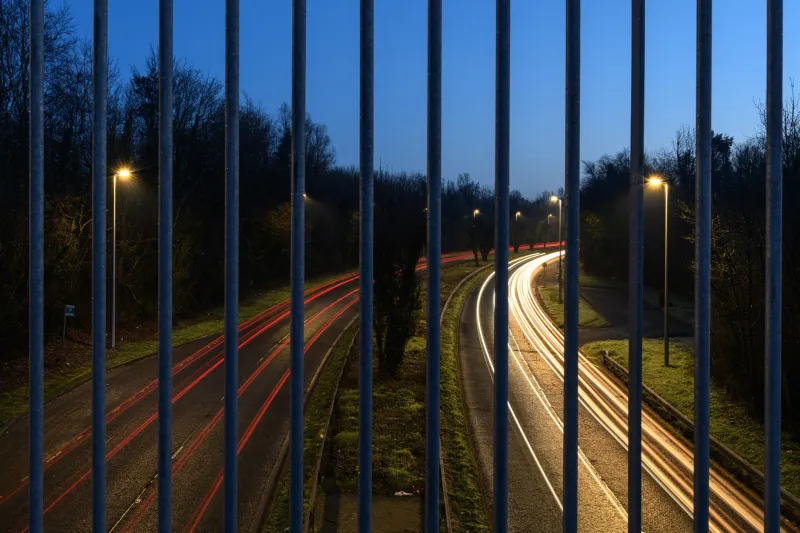
By early November 2026, most British gardens have folded themselves away for the evening. The clocks have gone back, the barbecue is under a cover, and by half four the fence has become a dark shape at the end of the lawn. That is a shame, because a boundary is often the most architectural thing in a small garden. With the right light, it can stop being a daytime backdrop and start doing a quiet job after dark.
The aim is not to floodlight the garden like a car park. It is to borrow a little definition from the dark: enough glow to show where the path goes, make a seating corner feel enclosed, and pick out the texture of timber, brick or planting. Do that without sending glare into the neighbour’s kitchen and you have cracked it.
Start with what the light is for
Before buying a single fixture, walk outside at the time you would actually use the garden and ask what you need to see. Usually it is one of three things: the route from the back door, the edge of a patio or seating area, or one feature near the fence — a tree, a shrub, a stretch of board. Lighting all three at once is rarely necessary. A few well-placed low-output fittings will look more expensive than a long line of bright ones.
Also think about the view from inside. The best fence lighting is often the lighting you notice from the sofa on a wet Tuesday, not the lighting you notice from the end of the street.
Low-glare fixtures that keep the peace
The biggest cause of neighbour annoyance is not brightness itself but glare — an unshielded lamp visible from next door’s window. Choose fittings with a hood, cowl or recessed lens, and aim them down or back onto your own boundary. Small bollards along a path, hooded wall lights, step lights and adjustable spots with glare guards are all better behaved than a bulkhead shining sideways.
Colour temperature matters too. Warm white, somewhere around 2700K to 3000K, feels softer against timber and planting than crisp blue-white. Keep output low, use dimmers where possible, and put the whole lot on a timer or motion sensor so it is not burning all night. A light that comes on at dusk and goes off by 10.30pm is usually enough for a winter evening.
Solar or mains? The honest trade-off
Solar lights have improved a lot, and for a quick, cable-free solution they are hard to beat. In a British winter, though, they are working with short days and weak sun. Buy fewer, better solar fittings, put the panels where they actually catch daylight, and accept that December output will be modest. Removable solar spotlights are useful for testing a scheme before committing.
Mains-powered lighting is the reliable option if you want the same effect in January as in June. It needs an electrician, outdoor-rated fittings and proper cable protection, so it is a bigger job. Low-voltage garden systems sit somewhere in between and can be easier to extend. Either way, plan the cable route before the fence goes in, not after.
Let planting do the uplighting
Some of the most flattering fence lighting does not light the fence at all. It lights a shrub in front of it. A spike light tucked inside an evergreen, aimed up through the branches, throws soft shadows onto the boundary and makes the fence recede. Grasses, bamboos and loose shrubs are especially good at catching light without looking staged.
Keep the fitting itself hidden. If you can see the lamp, you are probably seeing glare. Move it deeper into the foliage, angle it across the fence rather than straight at it, and use a warm, low beam. This is also a good way to add interest to a plain panel without adding another material to the garden.
Keeping light on your side of the line
Before you install anything permanent, look at your proposed lights from the neighbour’s side — ideally at night, from a window at a similar height. If you can see the lamp, they can too. Shields, baffles and careful aiming solve most problems. So does a quick conversation. Most people are fine with a warm glow; very few are fine with a spotlight in their eyeline at bedtime.
Domestic garden lighting is not usually a planning issue, but listed buildings, conservation areas and very bright schemes can attract attention. If in doubt, check with the local authority. And keep the considerate basics: no flashing, no coloured disco effects, no lights aimed at a neighbour’s window, and a timer that means the garden goes dark when you do.
A simple winter lighting plan
Start with three zones: the back door, the seating area and one planted corner. Buy fewer, better fixtures. Test the positions with temporary lights or even a torch after dark. Then set a timer, live with it for a week, and adjust. The goal is a boundary that feels calm and defined, not a runway.
If you are having a new fence installed this winter, it is worth talking through lighting and cable routes with your installer at the same time. Designer Fencing can help you plan a boundary that looks good in daylight and knows how to behave after dark.