Fence Heights Without the Feud: A UK Homeowner's Guide to Boundaries, Light and Good Neighbouring
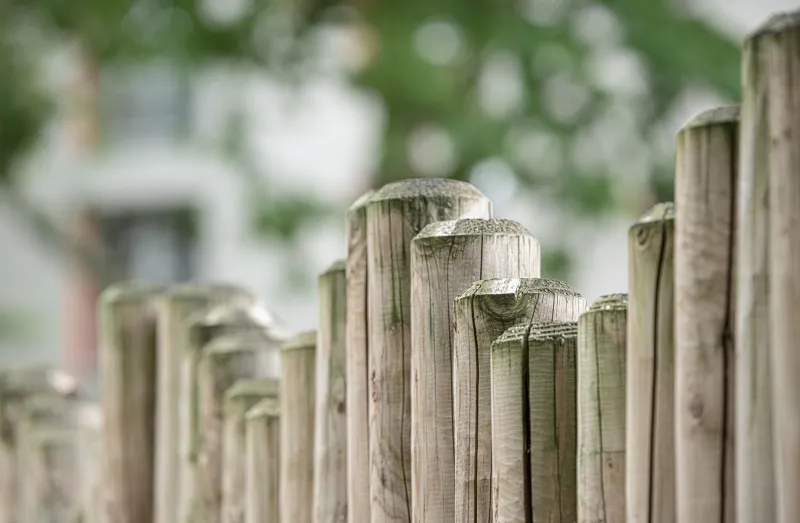
Few garden topics generate more forum heat than fence height. Someone asks whether they can put up a two-metre fence, someone else says their neighbour has one and nobody minded, and within a few replies the thread has moved on to boundary ownership, right to light and a story about a man called Dave who measured from the wrong side of the wall. It is understandable. A boundary is emotional as well as practical. It is privacy, security, territory and, sometimes, the only thing standing between you and next door's trampoline.
But the rules are less dramatic and more local than the internet suggests. This is general guidance, not legal advice, and it is always worth checking your own deeds and local authority before you order timber.
The two-metre rule is a shorthand, not a law of nature
In England and Wales, the familiar starting point is that permitted development allows fences, walls and gates up to two metres high, or one metre if they are next to a highway. That is where the two-metre rule comes from. It is a useful shorthand, but it is not a universal right. Permitted development rights can be removed by an Article 4 direction, by conditions on a planning permission, by conservation area or listed building status, or by covenants in your deeds. Flats and maisonettes often have different rules from houses. If you live in a leasehold property, the lease may restrict what you can erect.
Scotland has its own planning system and its own permitted development rules. The broad principle is similar, but the detail is not identical, and local authorities can have specific requirements. If you are in Scotland, do not assume an English forum answer applies to your garden.
Planning permission genuinely comes into play when you go above the permitted height, when the boundary is next to a highway and exceeds the lower limit, when your permitted development rights have been removed, or when the fence is part of a larger project that needs consent. It can also matter if you are in a conservation area or a World Heritage Site. A neighbour's objection alone does not decide the question, but it can trigger a planning enforcement conversation if the fence is not lawful.
Boundary ownership is not always your left, not always your fence
There is a persistent myth that the fence on your left belongs to you, or that the boundary line is always the outer edge of your property. Neither is reliable. Boundary ownership depends on the deeds and the physical evidence, not on a convenient rule of thumb. Sometimes you own the fence. Sometimes your neighbour does. Sometimes it is a party fence wall or a shared boundary with shared maintenance responsibilities. Sometimes the deeds are vague and the Land Registry title plan shows only a general boundary.
Before you replace or move a fence, dig out your title documents and look at the title plan. If the boundary is unclear, speak to your conveyancer or a boundary surveyor. Do not assume that because you have always cut the hedge, you own the hedge. And do not move a fence inwards or outwards without checking, even by a few inches. Boundary disputes are rarely about the inches. They are about what the inches represent.
The right to light is narrower than the forum suggests
Right to light is another phrase that gets used far too loosely. In England and Wales, a right to light can exist as an easement over another person's land, often after a long period of uninterrupted enjoyment of light through a defined opening such as a window. The old rule of thumb is twenty years under the Prescription Act 1832, but the reality is fact-specific and can involve complex measurements. It is not a general right to sunlight in your garden, a right to a view, or a right to stop a neighbour's fence because it makes your patio feel gloomy.
Scotland has a different legal framework, and the same phrase may not mean the same thing. Planning authorities may consider daylight and sunlight when assessing larger developments, but that is not the same as a private right to light. If you think you have a legal right to light, get proper advice. Do not rely on a neighbour's assertion or a forum post.
Height that gives privacy without turning a garden into a bunker
A two-metre fence can feel wonderfully private, but it can also make a small garden feel like a corridor. Before you go for the maximum, think about what you are trying to screen. A seating area may only need a screen at one end. A hot tub may need a taller local screen rather than a full boundary. A overlooked patio may be solved with a pergola, planting or a slatted panel that filters light rather than blocks it.
Remember that trellis, toppers and decorative panels usually count towards the overall height. Building a low fence and adding a trellis is not a magic loophole. If you need more than the permitted height, apply for planning permission or redesign the solution. Slatted fences, staggered heights and evergreen planting can deliver privacy without a solid wall effect. They also let more light and air into the garden, which matters in a British climate.
Have the conversation before the panels arrive
Most boundary disputes are easier to prevent than to resolve. If you are planning work on a shared boundary, or even a boundary that only you own, a short conversation can save months of tension. Tell your neighbour what you are planning, show them the height and style, and explain why. Ask about access for the installer. If they have concerns about light or privacy, listen before you defend. You may not agree, but you will learn something.
If the conversation is difficult, put your plans in writing and keep it polite. Do not build first and apologise later. If the boundary is genuinely disputed, take advice before spending money. Mediation is often cheaper and faster than a legal argument, and it tends to leave less wreckage behind.
Documenting your boundary: a simple checklist
- Keep a copy of your title plan and any deeds or lease documents that mention boundaries.
- Take dated photographs of the existing fence, the boundary line and any shared features.
- Measure the current height from ground level and note where you measured.
- Check your local authority's planning portal for Article 4 directions and conservation area status.
- Read your deeds for covenants that restrict fences or require consent.
- Ask your conveyancer if the boundary ownership is unclear.
- Agree access and working hours with neighbours in writing where possible.
- Keep quotes, receipts and a record of the fence specification.
- Note any conversations or agreements in a simple diary.
A final reality check
The best boundary is not always the tallest one. It is the one that gives you the privacy you need without making your neighbour's garden feel like a cellar. Get the height right, check the rules, and have the awkward conversation early. Good fencing is about good neighbouring as much as good timber.